
Feed and Linkedin page

Implementation of Steel Export Licensing System from January 1, 2026, and Its Multi-Dimensional Impacts
Beginning January 1, 2026, China has officially implemented a steel export licensing system, exerting multifaceted influences on the steel export sector. The system mandates that export enterprises obtain licenses by submitting their export contracts along with quality inspection certificates from manufacturers. Covering the entire industrial chain—including finished steel products, steel billets, and raw materials—the policy aims to standardize export procedures, optimize the export structure, and provide a strategic response to escalating international trade frictions.
Short-Term Impacts: Adjustment and Fluctuation
In the short term, steel exports are likely to experience volatility. Some enterprises may slow their export pace due to increased compliance costs or unfamiliarity with the new procedures, potentially leading to a phased decline in total export volume. Concurrently, there is a possibility of a short-lived surge in both volume and prices driven by companies rushing to secure orders before full enforcement. However, practices such as using third-party export licenses (commonly known as “buying export rights”) will face stricter scrutiny. Coupled with enhanced port audits and inspections, these factors are expected to moderate overall export growth. For specific products like hot-rolled coils, market prices may face downward pressure, with estimates suggesting a potential adjustment of around 100 RMB per ton.
Medium-Term Impacts: Structural Optimization and Internal Upgrades
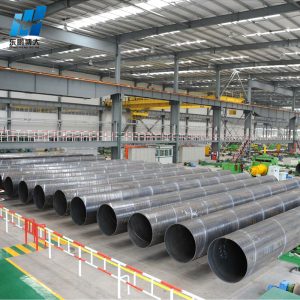
Over the medium term, the licensing system, by enforcing full-chain data traceability and stringent quality controls, will guide enterprises away from competing solely on price. Instead, it incentivizes a shift towards competition based on product quality, technological innovation, and environmental sustainability. This transition is poised to optimize the export mix, reducing reliance on low value-added products. In particular, product segments like seamless steel pipe, which demand higher technical specifications, may see relatively stable demand. Enterprises will be compelled to enhance their internal management systems and expedite inventory clearance to mitigate compliance risks. For example, manufacturers of welded pipe might accelerate the turnover of existing stock to align with new certification requirements, streamlining their operations in the process.
Long-Term Impacts: Fostering Sustainable and High-Quality Development
In the long run, the system is expected to cultivate a fairer export environment, guiding the scale of steel exports back to a rational range while bolstering the industry’s resilience for high-quality development. By systematically addressing quality and compliance, the policy strengthens the sector’s capacity to navigate international trade barriers. A focus on product upgrading will enhance the global competitiveness of Chinese steel. For instance, value-added products such as galvanized pipe, with their anti-corrosion properties, could gain a stronger foothold in international markets. Similarly, structural components like square and rectangular tubes, widely used in construction and manufacturing, stand to benefit from an industry-wide reputation for reliability and standards adherence.
Conclusion and Extended Perspective
Overall, the steel export licensing system represents a strategic move to transition the industry towards sustainable, value-driven growth. While initial adjustments may pose challenges, the long-term outlook points to a more structured, quality-oriented, and internationally competitive steel sector. The integration of digital traceability and quality assurance will not only help in managing trade disputes but also align China’s steel exports with global demand for higher-grade, environmentally considerate products. This evolution supports the broader national objectives of industrial upgrading and sustainable economic development.
Tel: +86 18202256900 Email: steel@tjdpbd.com


