
Feed and Linkedin page

The Impact of 2026 EU Carbon Certificates on Steel Exports
The European Union’s Carbon Border Adjustment Mechanism (CBAM), set to be fully enforced by 2026, is reshaping global steel trade. This system requires importers to purchase carbon certificates matching the emissions generated during the production of their goods. For steel exporters to the EU, this means a significant new cost is on the horizon, directly tied to how “green” their manufacturing process is.
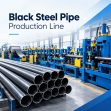
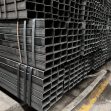
Products like ERW carbon steel pipes, commonly used in construction and fencing, will face new scrutiny. Their production, often reliant on electric arc furnaces (which can be cleaner) or basic oxygen furnaces, will see varying CBAM costs. Exporters using more recycled scrap and renewable energy will gain a competitive edge, while those dependent on coal-powered grids will see their prices rise in the EU market. Similarly, structural components like square and rectangular tubes will be affected. Their total carbon footprint—from raw ironmaking to final forming—will be calculated. Manufacturers who have invested in energy-efficient mills and low-carbon processes will find their products more attractive to cost-conscious European buyers.
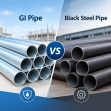
The coating process adds another layer. For galvanized steel pipes, the emissions from both the initial pipe production and the subsequent galvanizing (zinc coating) stage will be counted. This could make traditionally popular exports more expensive unless producers switch to cleaner fuels for heating and zinc smelting. Conversely, the impact on seamless steel pipes, often used in high-specification oil and gas applications, is complex. Their manufacturing is energy-intensive, suggesting high CBAM costs. However, their specialized nature and lower EU domestic production might mean European buyers have less choice, potentially absorbing some of the extra cost, though competitiveness will still suffer compared to cleaner alternatives.
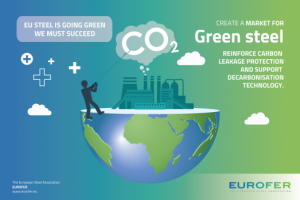
In essence, by 2026, the EU is putting a tangible price on carbon. This will not just increase costs but actively reward low-emission steelmaking. Exporters of all steel products, from standard pipes to specialized tubes, must urgently decarbonize their processes to maintain their place in Europe’s critical market. The future of steel exports is undoubtedly green.
Tel: +86 18202256900 Email: steel@tjdpbd.com


