
Feed and Linkedin page

Black Steel Pipe Price vs Galvanized Pipe Price: Which Is More Cost-Effective for Buyers in 2026?
For buyers engaged in transnational procurement, choosing between black steel pipes and galvanized steel pipes cannot be settled simply by picking the option with the lower quotation. The raw material of both types of pipes is carbon steel, meaning they share the same base material, except that galvanized steel pipes undergo an additional specialized processing step: an extra layer of zinc is coated onto the pipe body. This zinc layer functions to prevent the pipe from rusting and corroding, extending its service life. Precisely because of this added galvanization process, the initial procurement price of galvanized steel pipes is usually much higher. Conversely, while black steel pipes cost less at the time of purchase, they cannot be used in all scenarios. They only deliver a more cost-effective overall performance when deployed in dry locations or sites where environmental conditions can be controlled. Recent industry quotations also specify the exact price gap: the price of galvanized steel pipes is roughly 10% to 30% higher than that of black steel pipes.
Why Is Galvanized Pipe More Expensive?
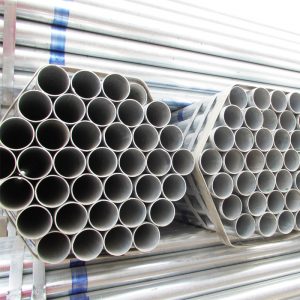
The main cost difference comes from the galvanizing process. After the steel pipe is manufactured, a zinc coating is applied to protect the surface from moisture and corrosion. This adds zinc consumption, processing, inspection, and handling costs.
For buyers, however, a higher purchase price does not automatically mean a higher total project cost. Galvanized pipe can reduce future expenses for painting, rust treatment, maintenance, and replacement, particularly in outdoor or humid environments.
When Is Black Steel Pipe the Better Choice?
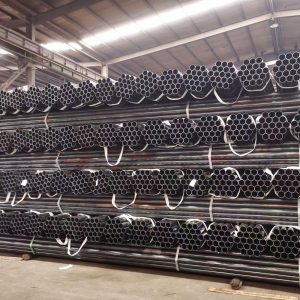
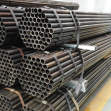
Black steel pipe is often the more economical option for indoor structures, gas lines, fire protection, industrial piping, and applications where the pipe will receive an additional protective coating. It is also generally easier to cut, thread, and weld because there is no zinc coating to remove around welding areas.
For projects with controlled corrosion exposure, choosing galvanized pipe solely because it has a longer service life may unnecessarily increase the initial procurement budget.
When Should Buyers Choose Galvanized Pipe?
For outdoor structures, agricultural facilities, fencing, utility piping, and other applications exposed to rain or humidity, galvanized pipe can provide better long-term value. The zinc layer acts as a protective barrier and helps reduce corrosion, potentially lowering maintenance requirements over the service life of the project.
How Should Buyers Compare Prices?
Before requesting quotations, international buyers should compare the same specifications rather than comparing price per ton alone. Key factors include:
Steel grade and applicable standard
Outside diameter and wall thickness
Zinc coating weight or grade
Pipe length and end treatment
Quantity and MOQ
FOB, CFR, or CIF terms
Inspection and certification requirements
Packaging and delivery time
For B2B procurement, the most economical pipe is therefore not always the one with the lowest initial quotation. Buyers should evaluate purchase price + transportation + installation + maintenance + expected service life to determine the real total cost.
As global infrastructure and energy projects continue to support steel pipe demand, large international projects are also placing greater emphasis on reliable supply capacity and specification compliance. Recent major pipe orders in the energy sector highlight the continuing importance of steel pipes in global infrastructure investment.
Conclusion: Black steel pipe generally wins on initial price, while galvanized pipe can offer better lifecycle value where corrosion protection is essential. The right choice depends on the project environment, required service life, and total cost—not price alone.
Tel: +86 18202256900 Email: steel@tjdpbd.com


