
Feed and Linkedin page

The Difference Between Pipe and Tube you shoud to know
People use the words pipe and tube interchangeably, and they think that both are the same. However, there are significant differences between pipe and tube.
The short answer is: A PIPE is a round tubular section used to distribute fluids and gases, designated by a nominal pipe size (NPS or DN) that represents a rough indication of the pipe conveyance capacity; a TUBE is a round, rectangular, squared or oval hollow section measured by outside diameter (OD) and wall thickness (WT), expressed in inches or millimeters.
What is Pipe?
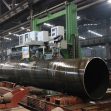
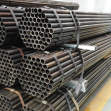
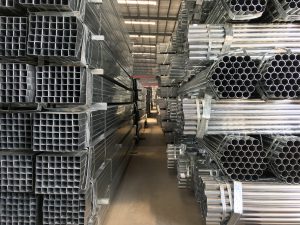
Pipe is a hollow section with round cross section for the conveyance of products. The products include fluids, gas, pellets, powders and more. The most important dimensions for a pipe are the outer diameter (OD) together with the wall thickness (WT). OD minus 2 times WT (schedule) determines the inside diameter (ID) of a pipe, which determines the liquid capacity of the pipe. When sourcing from a reliable China Supplier Steel Pipe, you can find various types including Ms Welded Round Steel Pipe for general applications and Zinc Galvanized Round Steel Pipe for corrosive environments.
What is Tube?
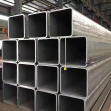
The name TUBE refers to round, square, rectangular and oval hollow sections that are used for pressure equipment, for mechanical applications, and for instrumentation systems. This category includes structural shapes like Square And Rectangular Steel Tube that offer excellent load-bearing capabilities and modern aesthetic appeal.
Pipe Vs Tube: Difference between Pipe and Tube Overview
When it comes to material conveyance and structural applications, pipes and tubes are essential components with unique features that cater to distinct needs. To make informed decisions in industries ranging from construction to manufacturing, it’s crucial to delve deeper into their differences and functionalities.
Pipes Overview
Pipes are primarily designed for the efficient transport of fluids, gases, and solids. They excel in conveying substances from one point to another. Pipes come in a wide array of materials, including steel, copper, PVC, and more. The choice of material depends on factors like corrosion resistance, pressure requirements, and intended use. Pipes are standardized in terms of diameter and thickness, ensuring consistency in manufacturing and application. This uniformity simplifies design and construction processes. Pipes find extensive use in plumbing, oil and gas industries, wastewater systems, and structural projects where fluid conveyance or containment is paramount. They are designed to handle high-pressure conditions, making them suitable for applications requiring pressure containment, such as pipelines in the oil and gas sector.
Tubes Overview
Tubes are known for their precise dimensions and can be manufactured with tight tolerances. This precision is crucial for applications where accuracy is paramount. Tubes are often constructed from materials like stainless steel, aluminum, brass, and more, chosen for their specific properties, such as corrosion resistance or heat conductivity. Tubes offer versatility in terms of shapes, including round, square, and rectangular profiles. This makes them suitable for a wide range of applications, from heat exchangers to architectural designs. They excel in heat transfer applications, making them indispensable in industries like HVAC (Heating, Ventilation, and Air Conditioning) and refrigeration. Tubes are frequently used for aesthetic purposes due to their polished finishes and variety of shapes. They are often seen in architectural elements and ornamental structures. Tubes are commonly employed in industries where structural integrity is crucial, such as aerospace, automotive manufacturing, and construction.
Tel: +86 18202256900 Email: steel@tjdpbd.com


