
Feed and Linkedin page

Global Steel Pipe Industry Advances Through Innovation and Diversified Applications
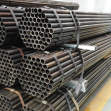
The global industrial sector continues to rely on black pipe for critical infrastructure projects due to its exceptional structural integrity and cost-effectiveness. This uncoated steel variant remains the preferred choice for gas transmission, fire protection systems, and structural applications where corrosion resistance is not the primary concern. Recent manufacturing advancements have improved the dimensional accuracy and surface quality of black pipe, meeting increasingly stringent project specifications.
Environmental considerations are driving significant innovation in protective technologies, with galvanized pipe emerging as a sustainable solution for corrosion-prone applications. The hot-dip galvanizing process creates a metallurgical bond between zinc and steel, providing superior protection against harsh environmental conditions. This makes galvanized pipe ideal for water distribution, outdoor structures, and agricultural applications where longevity and minimal maintenance are essential.
The energy sector’s evolving demands have accelerated development in carbon steel pipe manufacturing. These pipes offer remarkable versatility, handling extreme pressures and temperatures in petrochemical, power generation, and industrial processing applications. New alloy compositions and manufacturing techniques are enhancing their performance characteristics while maintaining the strength and durability that make carbon steel pipes indispensable for critical industrial operations.
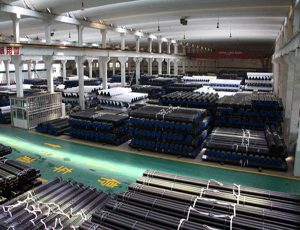
Technological innovation continues to transform production methodologies, particularly in erw pipe (electric resistance welding) manufacturing. This efficient process involves forming steel strips into cylindrical shapes and creating longitudinal welds through precisely controlled electrical currents. The resulting pipes demonstrate excellent consistency and dimensional precision, making them increasingly popular for construction, mechanical applications, and low-to-medium pressure fluid transport systems.
Market trends indicate growing emphasis on sustainable manufacturing practices and circular economy principles. Pipe producers are investing in energy-efficient production technologies, water recycling systems, and incorporating recycled steel content. The integration of smart monitoring systems directly into pipe networks represents another significant trend, enabling real-time performance tracking and predictive maintenance capabilities.
Global infrastructure development initiatives, particularly in emerging economies, continue to drive demand across all pipe categories. The renewable energy sector’s expansion and urban development projects are creating new opportunities for specialized pipe applications. Manufacturers are responding by developing customized solutions that address specific environmental challenges and operational requirements while maintaining cost competitiveness.
As the industry evolves, these four pipe types continue to adapt to changing market needs through technological innovation and sustainable practices. Their ongoing development reflects the steel pipe sector’s commitment to supporting global infrastructure growth while addressing environmental concerns and embracing digital transformation.
Tel: +86 18202256900 Email: steel@tjdpbd.com


