
Feed and Linkedin page

Steel Pipe for Oil & Gas: Reliable Solutions for Demanding Pipeline Projects
September 21, 2026 | Steel Pipe for Oil & Gas
With the oil & gas industry demanding higher safety, durability and transportation efficiency, the selection of the appropriate steel pipe for oil & gas application is more vital than ever. Whether it is crude oil, natural gas pipelines, refinery or offshore projects, steel pipes are subjected to high pressure and corrosion, temperature variation and long-term service conditions.
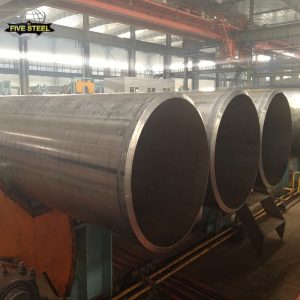
For buyers of oil and gas, the challenge is not just to locate a supplier of steel pipe. The challenge is to identify the pipe solution that best meets project requirements without sacrificing procurement cost, delivery schedule and long term maintenance obligations.
Meeting Different Oil & Gas Pipeline Requirements
Pipelines for oil and gas applications are used in high-stress environments. Customers may need to specify different steel grades, pipe sizes, wall thicknesses, manufacturing methods, and end connections, depending on the application.
Common solutions are seamless steel pipe, ERW steel pipe and LSAW steel pipe. Seamless pipes are usually chosen for high-pressure applications, and ERW and LSAW pipes can be cost-effective solutions for different pipeline transportation projects.
Material selection is also a key factor. The right grade of steel is selected based on working pressure, operating temperature, transportation medium, and relevant project standards. This assists customers in avoiding unnecessary material expenses without compromising on dependable pipeline performance.
Corrosion Resistance and Long-Term Performance
Corrosion is a significant problem in oil and gas pipelines, in particular for pipelines that are subjected to water, chemicals, offshore conditions or other corrosive substances.
Depending on the requirements of customers’ project, they can choose appropriate steel grades, external coating, internal coating or other solutions related to corrosion protection. Adequate surface treatment and inspection can result in prolonged service life and less unexpected maintenance.
Special attention to the material selection and compliancy to the applicable technical requirements should be paid prior to manufacturing for projects in sour gas and other demanding applications.
Quality Control Supports Project Safety
For oil and gas applications, consistent quality is essential. Buyers often require dimensional inspection, chemical composition analysis, mechanical property testing, hydrostatic testing, non-destructive testing, and other inspections according to project specifications.
A reliable steel pipe for oil & gas supplier should be able to provide complete quality documentation and traceability, helping customers verify that the supplied pipes meet the required standards before shipment.
Supporting Customers From Specification to Delivery
For international oil and gas buyers, procurement efficiency is another critical factor. Clear communication of pipe specifications, applicable standards, quantities, inspection requirements, packaging, and delivery schedules can reduce the risk of delays and specification mismatches.
By understanding each project’s operating conditions and purchasing requirements, steel pipe suppliers can provide more practical solutions rather than simply offering standard products.
For oil and gas companies, the battle for the right steel pipe is fought on more fronts than just product price. Quality material selection, quality control, corrosion protection and timely delivery are all key factors that lead to safer and more cost-effective pipeline projects. An experienced supplier can help customers mitigate procurement risks and ensure consistent performance over the pipeline’s service life.
Tel: +86 18202256900 Email: steel@tjdpbd.com


