
Feed and Linkedin page

Square Tube vs Rectangular Tube: Which Steel Tube Is Right for Your Project?
It takes more than just shape to select the ideal steel tube. However, the decision between square and rectangular beams affects structural performance, material prices, fabrication efficiency, and project quality for steel fabricators, construction builders, and industrial buyers.
As a seasoned provider of welded steel tubes, we are aware that every project has different requirements. To help you make wise purchases, this article looks at the main distinctions between square and rectangular tubes.
1. What Is the Difference Between Square and Rectangular Tubes?
Square tubes and rectangular tubes are both hollow structural sections (HSS) commonly manufactured from carbon steel, galvanized steel, or other specified materials.

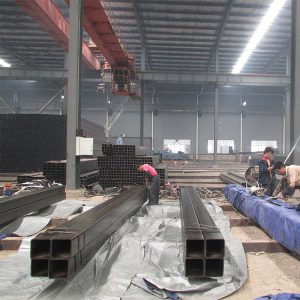
The primary difference lies in their cross-sectional dimensions.
– Square Steel Tube: Features four equal sides, such as 40×40 mm or 50×50 mm. Its symmetrical design makes it suitable for applications requiring balanced structural properties.
– Rectangular Steel Tube: Has two pairs of unequal sides, such as 40×60 mm or 50×100 mm. Its directional geometry provides greater flexibility when designing structures with specific load requirements.
Both types are widely used in construction, machinery manufacturing, furniture production, and infrastructure projects.
2. Which Tube Offers Better Structural Performance?
Numerous variables, such as material grade, wall thickness, cross-sectional dimensions, loading direction, connection design, etc., affect the structural performance.
The longitudinal and cross-sectional axs of square tubes are inherently consistent. It is a common option for applications where loads can enter from multiple directions, such as columns, frames, and support structures.
In contrast to square tubes with the same amount of material, rectangular tubes can provide a significantly larger moment of inertia about their strong axis. They are applied to horizontal supports, beams, and other locations where resistance to bending in a specific direction is crucial.
But a larger section does not always mean better performance. It is necessary to look at the loads and requirements of the specific application prior to choosing a tube profile.
3. Cost and Fabrication Considerations
The project’s budget and the performance needed for foreign purchasers determine which steel tube is best.
Square tubes are typically used by designers for symmetrical structures and standardized frames because they make layout, alignment, and fabrication easier.
The workers employ rectangular tubes if the load-bearing structure is directed. Customers can get the same degree of structural performance with less material when they select a suitable width-to-height ratio.
Other purchasing factors include:
– Steel grade and chemical composition
– Outside dimensions and wall thickness
– Dimensional tolerances
– Welding quality and surface finish
– Cutting, drilling, and fabrication requirements
– Packaging and international transportation costs
Comparing suppliers based only on price per ton may overlook important differences in product specifications and quality consistency.
4. Common Applications of Square and Rectangular Steel Tubes
Square steel tubes are commonly used in:
– Steel building frames and columns
– Fences, gates, and handrails
– Furniture and equipment frames
– Agricultural machinery
Rectangular steel tubes are frequently used in:
– Structural beams and supports
– Steel trusses and roof structures
– Trailer frames and vehicle components
– Industrial equipment and conveyor systems
The final selection should always be based on the intended application and applicable engineering standards.
5. How to Choose the Right Welded Steel Tube Supplier?
A trustworthy welded steel tube supplier needs to have more to offer in terms of cost. International projects can only succeed if product quality is consistent; if dimensions are accurate; and if delivery is reliable and technical communication crystal clear.
The square and rectangular pre-welded tube products that DPBD provides are necessary to fit the requirements of several industrial and construction needs. Our experts can help buyers select dimensions, wall thickness, material grades, surface treatments, and relevant standard.
We strive to provide solutions that fit your project specifications, whether you need square steel tubes for structural frames or a rectangular steel tube for directed load-bearing applications.
Let us help you figure out which welded steel tube solution will best serve you and your project. Today contact us with your required dimensions, material grade, quantity, and application details.
Tel: +86 18202256900 Email: steel@tjdpbd.com


